When a standard tub or shower stops working for your body or your household, the next step is choosing what replaces it. For most homeowners, that decision comes down to two options: a walk-in bathtub or a walk-in shower. Both solve the core problem of step-over entry. But they work differently, cost differently, and suit different needs.
This guide walks through those factors plainly so you can make the decision with confidence before calling anyone.
How Each Option Works
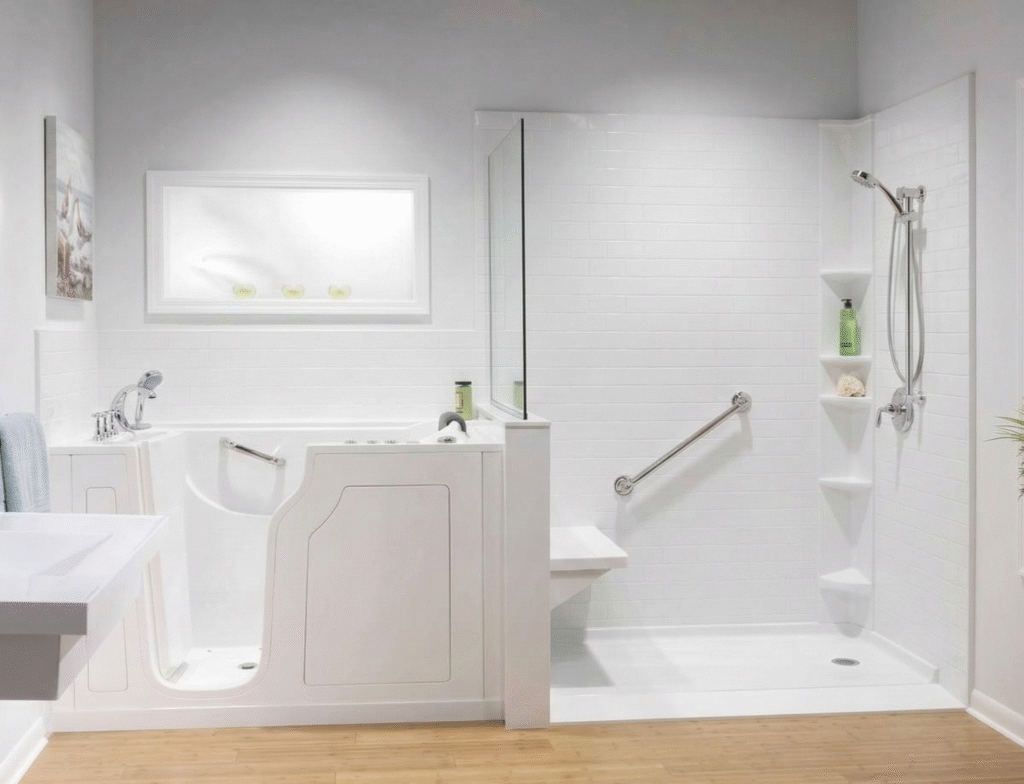
A walk-in bathtub has a door built into the side of the tub wall. The way walk-in tubs work is simple: you open the door, step in over a low threshold, sit down, close the door, and then fill the tub. The door must stay shut while water is inside, which means you fill and drain the tub while seated. Most walk-in tubs are designed to drain quickly, but there is still a wait period after bathing before you can exit.
A walk-in shower eliminates the fill-and-drain sequence entirely. You step in, bathe under running water, and step out. There is no door seal to maintain, no waiting for water to drain before you leave, and no minimum time commitment per use. The tradeoff is that you are bathing upright or seated on a bench rather than soaking.
Which option is better is entirely dependent on your needs. The difference is in what each one delivers physically, and which of those things matters to the person using it.

When a Walk-In Bathtub Makes More Sense
A walk-in bathtub is worth serious consideration when:
- The person bathing has chronic joint pain, arthritis, or muscle fatigue that responds to heat and water immersion. Soaking in warm water increases circulation and temporarily reduces joint stiffness in ways that a shower can’t fully achieve.
- Hydrotherapy jets are part of the need, not just a feature. Many walk-in tubs include air or whirlpool jets that deliver targeted water pressure to specific areas. For conditions like fibromyalgia or post-surgical recovery, this is a valuable tool, not just a luxury add-on.
- The person prefers or medically benefits from bathing while fully seated and stationary. Standing in a shower, even with a bench, requires some degree of balance. A walk-in tub requires almost none once the bather is seated.
- The bathroom already has a tub footprint. Note that walk-in tubs are designed to fit standard 60-inch alcove dimensions, but the drain assembly location on the new unit may differ from the existing rough-in. Whether plumbing adjustments are needed depends on the specific model and your current drain position, which is something an installer can assess during measurement.
One practical consideration to weigh: because the tub must be filled and drained with the bather inside, the water heater capacity matters. Walk-in tubs typically hold 40 to 80 gallons depending on the model. Standard water heaters hold 40 to 50 gallons. If the household water heater is on the smaller end, filling time will be longer and water may cool before the tub is full. This is worth checking before purchase.
Walk-in tubs with hydrotherapy jets also require a dedicated 15 to 20 amp GFCI circuit. Most standard bathrooms share a 15 amp circuit with other fixtures. If the home does not have a dedicated line available, an electrician will need to run one before installation. This is worth confirming during the in-home consultation when you’re considering options.

When a Walk-In Shower Makes More Sense
A walk-in shower is the stronger choice when:
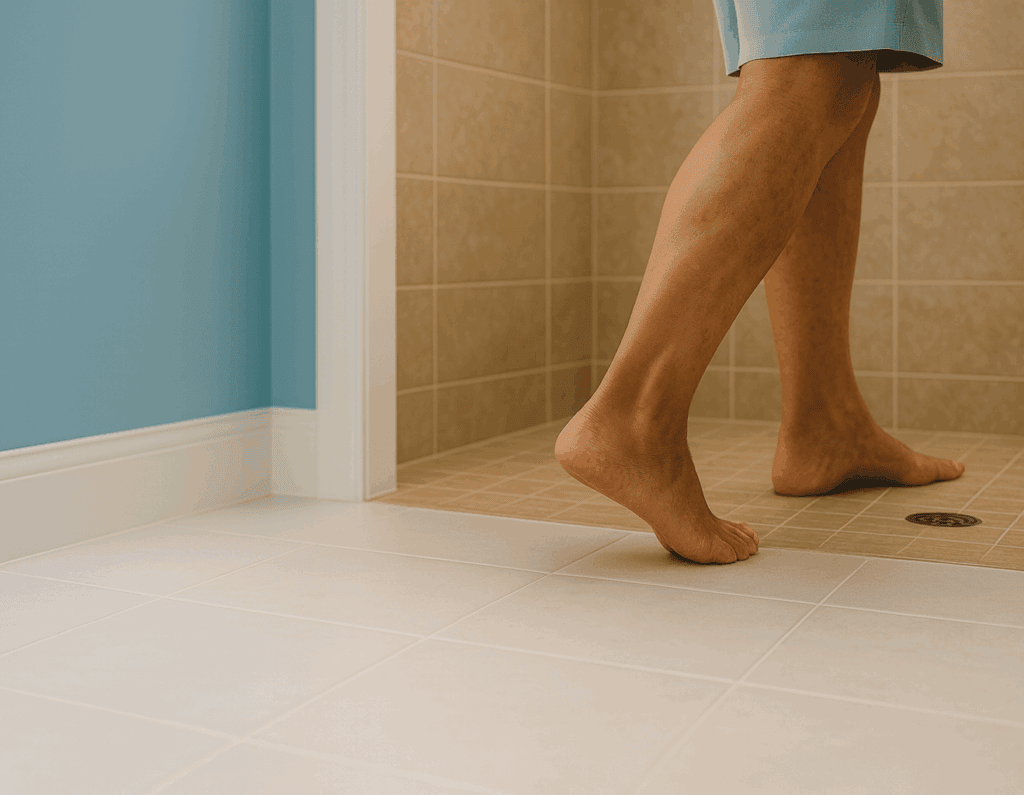
- The primary concern is fall prevention and ease of entry, not soaking. A zero-threshold or low-threshold walk-in shower removes the step-over hazard with no fill-and-drain wait involved.
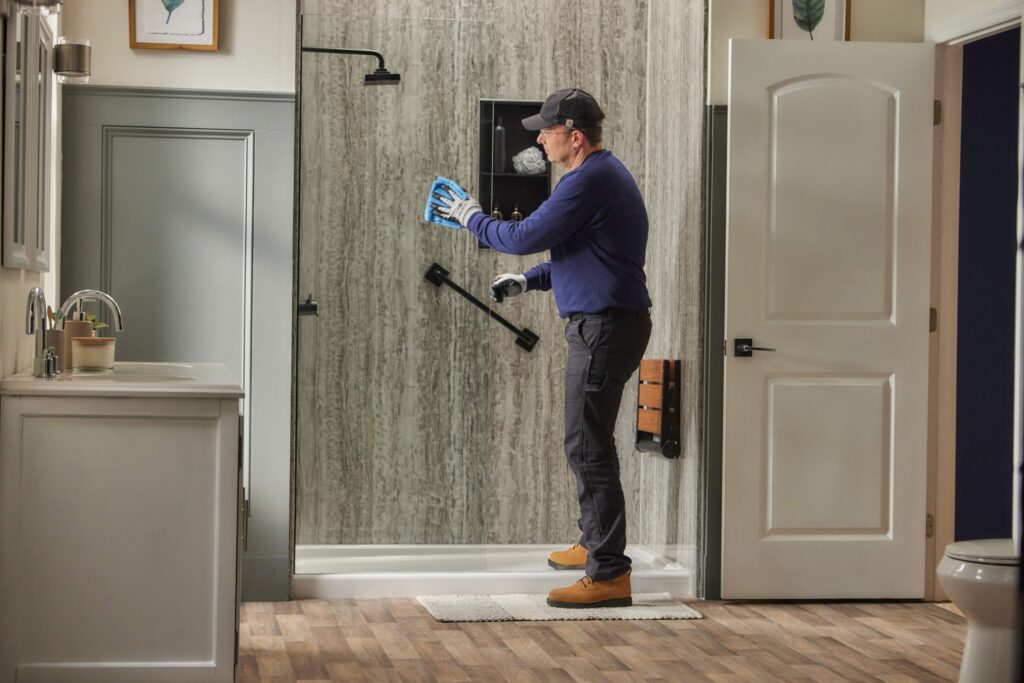
- The person bathing has balance issues that make sitting in a tub and standing back up difficult or unsafe. Entering a walk-in tub still requires stepping in, lowering into a seat, and eventually standing to exit. A walk-in shower with a built-in bench eliminates most of those transitions. For additional stability options, shower benches and seats can be configured to the bather’s specific needs.
- Daily bathing speed matters. Walk-in showers take as long as a standard shower. Walk-in tubs require filling and draining time on top of the soak, which can add 15 to 30 minutes to each bathing session.
- The bathroom is smaller. Walk-in showers can be configured for tighter spaces and do not require the depth that a full-length tub demands. If the existing bathroom has a tub-to-shower conversion opportunity, this is often a more space-efficient route.
- Multiple people use the bathroom with different needs. A walk-in shower is accessible to everyone in the household. A walk-in tub is optimized for one user profile.
What About Households That Want Both Options?
Some homeowners want the option to soak without giving up shower access. Walk-in tubs with an integrated showerhead and hand wand address this, though they are not a full substitute for a dedicated walk-in shower. The tub footprint limits standing clearance, and the door seal requires the same fill-and-drain routine regardless of whether you soak or just rinse.
A more practical solution for households with space and budget flexibility is to keep a separate shower and replace the existing tub with a walk-in model. This does require sufficient bathroom square footage and may involve plumbing work to add or reposition a shower drain.
For homeowners who use the tub infrequently and primarily shower, a tub-to-shower conversion may be the more logical starting point. It eliminates a fixture that is not being used, creates a larger shower footprint, and removes the step-over tub wall entirely.

Cost Comparison
Walk-in bathtubs generally cost more than walk-in showers, both for the product and the installation. In our walk-in tub cost guide, you’ll see that tub prices typically range higher depending on features and materials, with installation potentially increasing that difference on top. Therapeutic features like hydrotherapy jets push costs toward the higher end.
Walk-in shower costs vary based on size, materials, and configuration. For a detailed breakdown, our shower installation cost guide covers what factors move the number up or down.
Neither option requires ongoing high maintenance costs. Both acrylic tub surfaces and solid shower wall surrounds resist mold and mineral buildup better than tile. For a side-by-side look at how surface materials affect long-term upkeep, see our guide on low-maintenance showers and tubs.
Making the Decision
The two questions that cut through most of the noise:
Does the person bathing need or want to soak? If yes, a walk-in bathtub is the right starting point. If no, a walk-in shower is more practical for daily use.
Does the person bathing have balance or mobility challenges that make transitions difficult? If sitting down into a tub and standing back up is a concern, a walk-in shower with bench seating is the safer configuration.
For most people, one of those two answers is decisive. When both apply, the severity of the mobility issue usually tips the scale. A person who cannot safely lower into and rise from a seated tub position is not well served by a walk-in tub regardless of its other features.
For seniors and homeowners with limited mobility evaluating all available options, our guide to walk-in showers for seniors covers accessibility features in more depth.

Get the Right Answer for Your Bathroom
Mad City Windows & Baths installs walk-in bathtubs, walk-in showers, and tub-to-shower conversions across the Midwest. If you want to talk through which option fits your bathroom layout and your household’s needs, we offer free in-home consultations with no obligation. Visit our bathroom remodeling page to get started or request a quote online.