Choosing new windows is about more than just aesthetics, as there are a variety of practical considerations that will impact your enjoyment of your home for years to come. Homeowners comparing vinyl vs. aluminum windows often weigh cost, durability, efficiency, and maintenance to determine which material is better suited for long-term value. While both window types have their merits, one clearly aligns better with the needs of most homeowners today.
Material Overview: What Sets Vinyl and Aluminum Apart
Both vinyl and aluminum are common materials in replacement windows, but they differ significantly in how they perform, age, and look.
- Vinyl windows are made from polyvinyl chloride (PVC), a type of plastic engineered for durability and insulation.
- Aluminum windows feature metal frames that are lightweight and strong but conduct temperature easily.
These core differences impact everything from how the windows handle heat and cold to how much maintenance they require.
Assessing Vinyl Windows
Are vinyl windows better than aluminum? In most home environments, yes.
Vinyl windows have steadily grown in popularity for good reason:
- Excellent thermal performance: Multichambered vinyl frames help insulate your home against heat and cold.
- Low maintenance: No painting, sealing, or corrosion control required.
- Affordable: Generally more cost-effective than aluminum windows.
Many vinyl windows versus aluminum comparisons conclude that vinyl is the better choice for families prioritizing practical benefits. Vinyl’s superior insulation can lead to noticeable energy savings on monthly utility bills, while its design helps maintain a more comfortable indoor temperature by minimizing drafts and hot spots.
Additionally, vinyl windows are available in a wide range of colors and styles, giving homeowners more flexibility to match their home’s curb appeal. Modern vinyl windows also resist UV damage and fading, maintaining their appearance longer with less upkeep.

What About Aluminum Windows?
Are aluminum windows better than vinyl? That depends on your priorities.
Aluminum frames have long been used in modern architectural designs thanks to their thin sightlines and industrial look. They are:
- Lightweight and strong: Ideal for larger window spans.
- Low-profile: Slimmer frames mean more visible glass.
- Recyclable: Environmentally friendly at end of life.
However, aluminum has several drawbacks that make it less ideal for residential settings. As a poor insulator, it conducts heat and cold easily, which can undermine a home’s energy efficiency. In humid or cold climates, aluminum frames are also prone to condensation, leading to potential moisture issues. Additionally, salt air or excessive humidity can cause the material to corrode over time — one of several indicators that it may be time to replace your windows.
Due to these limitations, aluminum windows are more commonly found in commercial buildings or modern custom homes rather than in typical residential replacements.
Durability in Real-World Use
When comparing vinyl and aluminum windows, longevity matters. Aluminum can last decades but may show signs of wear like corrosion or fading paint, especially in coastal or rainy areas. Vinyl, while a synthetic material, often performs better than aluminum in humid climates due to its resistance to moisture damage, reducing the need for more frequent future replacements.
At Mad City Windows, we install replacement windows that are specifically engineered for the seasonal changes and temperature swing. This includes double-pane glass with low-E coatings for thermal performance, multi-chamber frames that enhance insulation, and fusion-welded joints to improve structural stability.
Maintenance and Long-Term Value
One of the clearest differences in the vinyl vs aluminum windows debate is upkeep. Aluminum windows may need repainting or treatment over time. Vinyl frames, on the other hand, never require painting or sealing. A quick wipe with soap and water is usually enough to keep them looking like new.
If you’re not interested in ongoing maintenance, vinyl is the obvious choice. That simplicity adds to their overall cost-effectiveness.
Energy Efficiency and Climate Performance
In the Midwest and Northern regions where winters are cold and summers can be hot and humid, window insulation plays a huge role in your home’s comfort. Aluminum windows allow heat and cold to pass through more easily, which can strain HVAC systems.
By contrast, energy-efficient windows made from vinyl typically include insulated glass, low-emissivity coatings, and gas-filled panes that drastically reduce heat transfer. Homeowners often notice the difference in their energy bills, as well as the increased comfort in their living spaces.
Design and Style Considerations
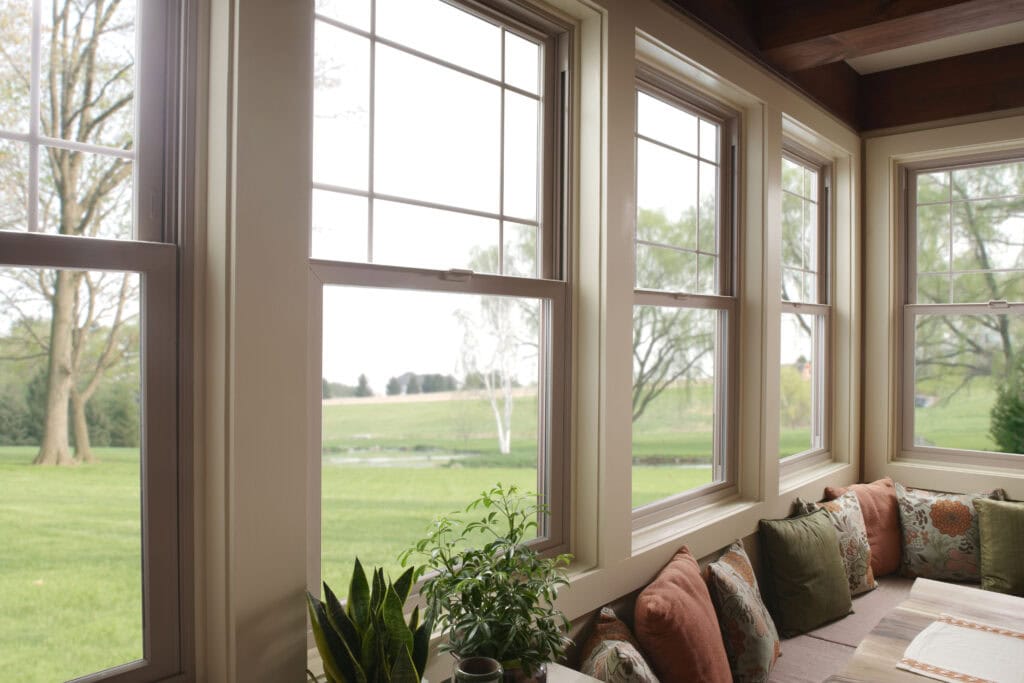
Both materials are available in multiple styles, but vinyl tends to offer more variety in finishes and configurations. You can find vinyl options in a multitude of styles, like:
These configurations make vinyl suitable for almost any home style from traditional colonials to contemporary ranches. While aluminum can offer a sleek look, its color options are limited, and its rigid frames don’t lend themselves as easily to custom shapes or trims.
Cost Comparison: Upfront vs Lifetime Investment
Vinyl windows generally cost less to purchase and install. More importantly, their energy efficiency, lower maintenance, and long-term durability make them a smarter financial choice for most homeowners.
Aluminum may offer a longer raw lifespan in perfect conditions, but without insulation upgrades or added coatings, they can cost more in the long run through heat loss or weather damage repairs.
Which One Is Right for Your Home?
For most homeowners replacing their windows in climates with demanding temperature swings and harder exposure to the elements, the best choice is vinyl. It offers the best balance of energy efficiency, style flexibility, affordability, and low maintenance.
Unless you’re targeting a specific architectural look that calls for metal or you’re in a commercial space, aluminum is often a more costly and less efficient alternative.
Get Expert Guidance on Your Window Project
Choosing the right window material doesn’t have to be overwhelming. With decades of experience and thousands of installs behind us, Mad City Windows can help you select the best replacement option for your home and climate. Schedule your free consultation today or visit your nearest Mad City location to get a personalized estimate.