When it comes to kitchen design, the layout and function of your storage define how you use the space daily. One of the most common decisions homeowners face is choosing between a kitchen cabinet with drawers, traditional cabinet doors, or a combination of both. Each option brings unique benefits, and your choice can impact not only your kitchen’s appearance but also its convenience, accessibility, and overall value.
If you’re considering a kitchen refresh or a more strategic update like cabinet refacing, understanding the differences between drawers and doors will help you make smarter design decisions that reflect your lifestyle.
Understanding the Basics of Cabinet Drawers and Doors
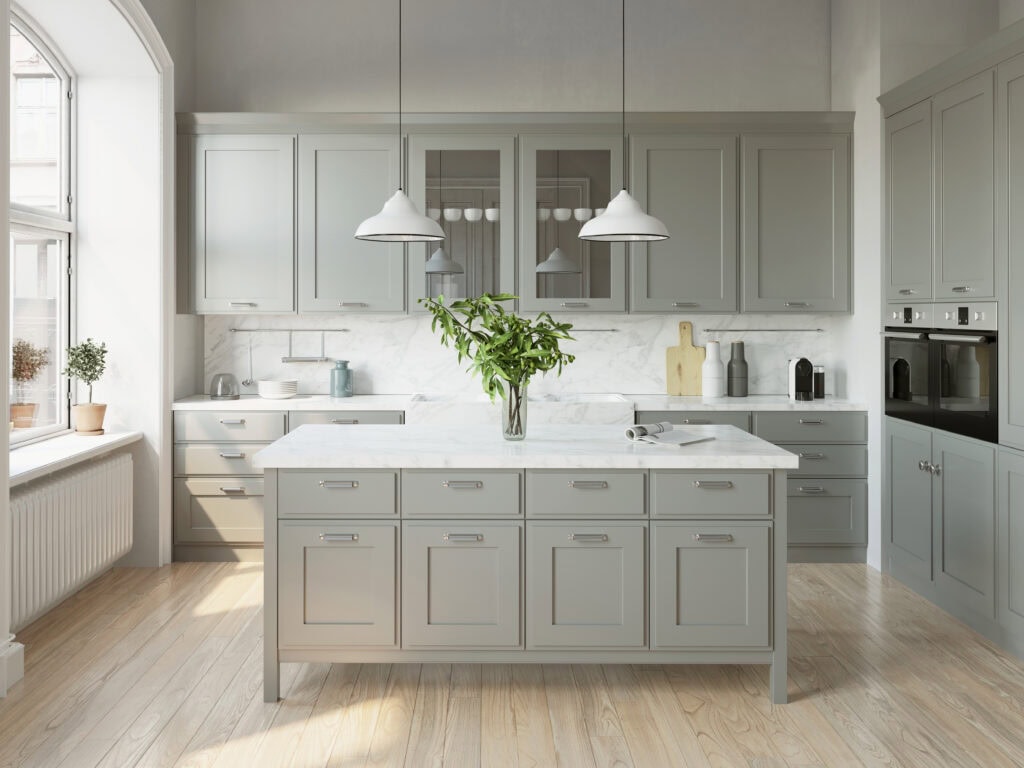
A cabinet with doors and drawers is often the default layout in most kitchens. Upper cabinets typically feature doors, while base cabinets may combine doors and pull-out drawers. But more recently, all-drawer bases have surged in popularity, offering an alternative to traditional cabinets with shelves hidden behind doors.
So how do you decide which is right for you? It starts with a clear understanding of how each option serves different purposes.
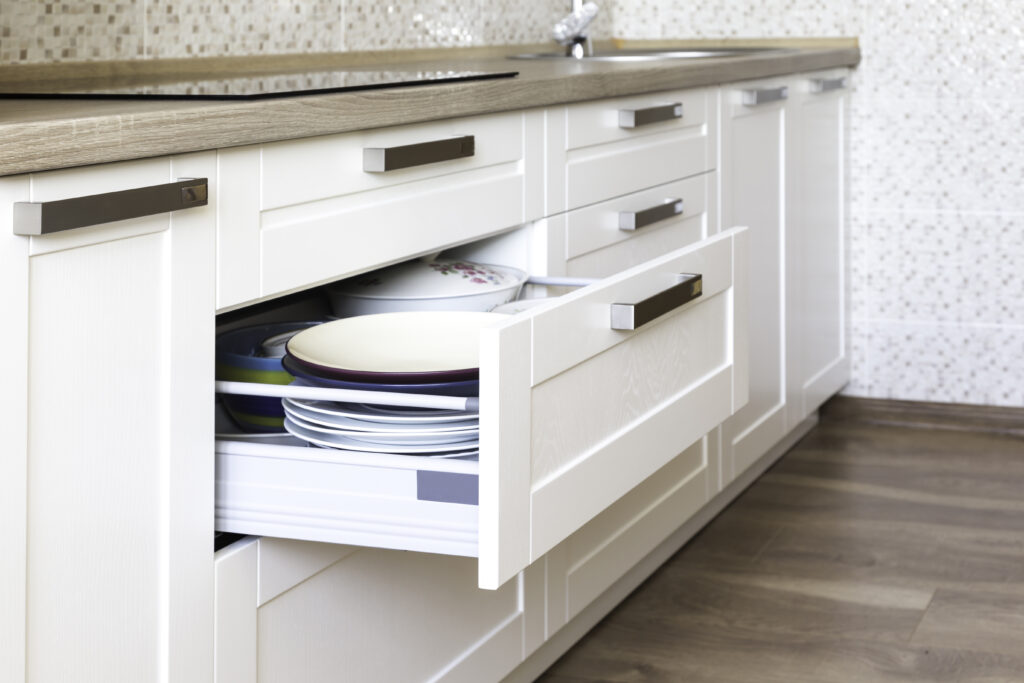
Pros and Cons of Cabinets with Drawers
Drawers offer full access to the entire contents of the cabinet without requiring you to bend or reach deep into a dark shelf. This accessibility makes drawers a favorite for base cabinets and pantry areas.
Advantages of Drawers:
- Better visibility: Items aren’t hidden at the back
- Improved ergonomics: No need to stoop or reach
- Efficient storage: Ideal for organizing utensils, pots, pans, and Tupperware
Potential Drawbacks:
- Higher cost: Typically more expensive to install or reface due to additional hardware
- Weight limits: Not all drawers are suited for heavy cookware
Still, for those prioritizing ease of access, a kitchen cabinet with drawers is often the more practical solution.
Pros and Cons of Cabinets with Doors
Cabinet doors are a traditional choice that allows for wider storage areas. They work well for storing large items and can be refaced to fit virtually any kitchen design.
Advantages of Doors:
- Flexible storage: Great for tall or bulky items
- Lower cost: Fewer moving parts than drawers
- Timeless appearance: Can be refaced in many styles to match your kitchen aesthetic
Potential Drawbacks:
- Harder to access: Items in the back can be difficult to reach
- More cluttered interiors: Open shelving behind doors often lacks organization
That said, a cabinet with doors and drawers provides a balanced solution, combining the clean look of cabinetry with the convenience of strategic storage access.
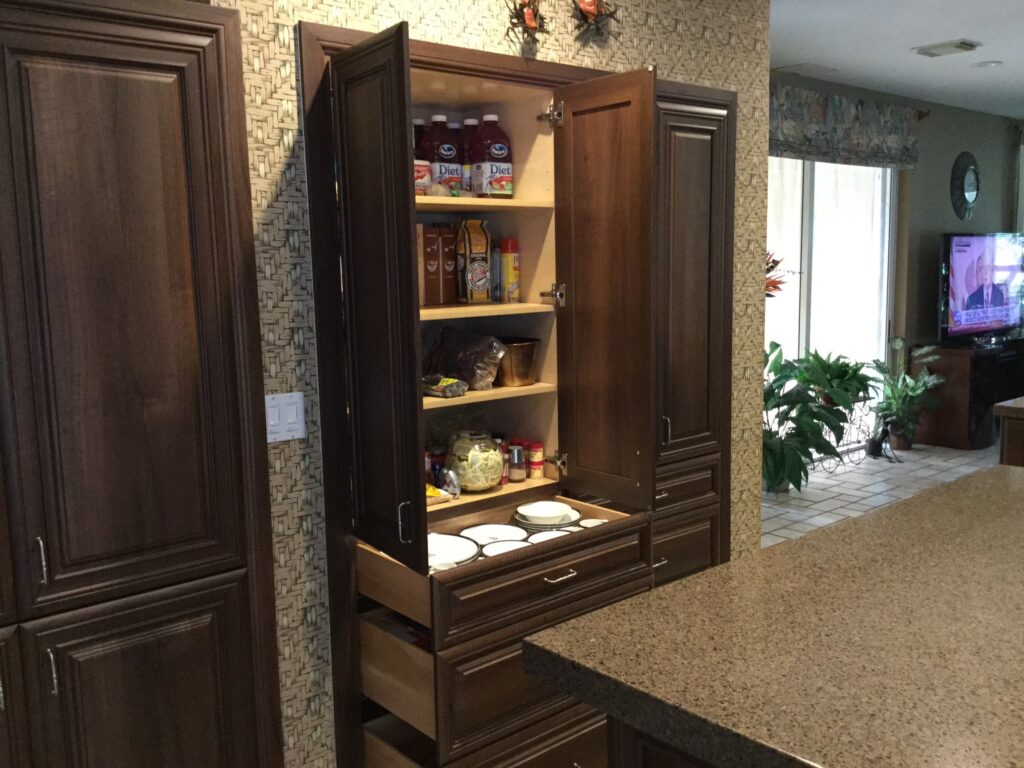
What to Keep, Replace, or Reface?
Knowing whether to keep, replace, or reface your kitchen cabinets comes down to two questions: Are you happy with the layout? And are the cabinets structurally sound?
If the internal cabinet boxes are still solid, refacing your cabinets is the most efficient way to update their appearance and function. Refacing lets you switch from doors to drawers (or vice versa), choose new materials and colors, and modernize your kitchen without the disruption or cost of a full remodel.
Cabinets that are worn, damaged, or poorly designed might require full replacement. But in many cases, homeowners can achieve dramatic results by refacing and simply reconfiguring the door/drawer layout to better suit their needs.
How Refacing Supports Smarter Storage
One of the biggest benefits of refacing is the chance to rethink your kitchen’s functionality. Whether you want more drawers for everyday cooking tools or doors to conceal larger items, refacing gives you flexibility.
You can also choose from a variety of modern cabinet finishes, textures, and hardware. Visit our page on cabinet refacing options and materials to learn about the variety of options available through Mad City Windows.
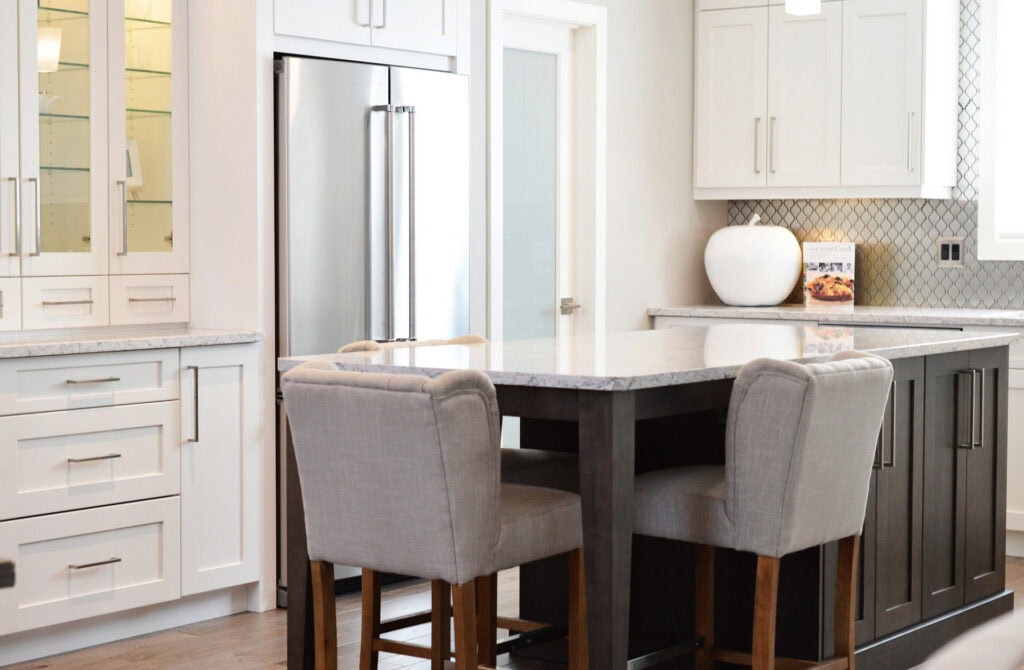
Design Trends: Drawers vs. Cabinets in Modern Kitchens
The debate between drawers vs cabinets in kitchen design continues to evolve. Today’s modern kitchens often prioritize large, deep drawers for pots and pans, baking sheets, and even dishes. The clean, horizontal lines of drawers can give your kitchen a more minimalist, streamlined appearance.
However, doors still have their place, especially in upper cabinetry, pantry zones, and areas where adjustable shelving offers more flexibility. Combining both is often the smartest choice, giving you storage variety while maintaining visual balance. Explore more on how to bring your kitchen up to date in our article on how to modernize kitchen cabinets.
Storage Tips: Make the Most of Your Layout
Whether your kitchen features mostly drawers or doors, here are some storage strategies that can help:
- Use pull-out trays behind cabinet doors to mimic drawer functionality
- Store everyday items in top drawers to reduce bending or searching
- Reserve upper cabinet doors for less frequently used dishes or seasonal items
- Keep zones organized by task, like grouping baking supplies or dishware
Small layout shifts, especially during a refacing project, can make a huge difference in day-to-day convenience.
Frequently Asked Questions
What’s the main difference between drawers and cabinet doors?
Drawers pull out on tracks and offer full access to their contents. Cabinets with doors typically feature shelves inside and require bending or reaching to access items stored in the back.
Are drawers or cabinets more expensive to install or reface?
Drawers tend to cost more due to the hardware and construction required, especially for wide or deep drawer banks. However, during cabinet refacing, the price difference can vary based on configuration and material choices.
Can I convert lower cabinets with doors into drawers during refacing?
Yes, if your cabinet boxes are suitable, it’s possible to retrofit drawers in place of doors. This typically requires custom carpentry and may add to the project scope, but it can significantly improve accessibility and function.
Which layout is better for small kitchens: drawers or cabinets?
A kitchen cabinet with drawers can be more space-efficient in tight layouts. Drawers allow easier access in narrow walkways, while cabinets may require more clearance to open doors fully.
Do drawers and cabinets come with soft-close features?
Both can be equipped with soft-close hardware. Many cabinet material and style options now include soft-close hinges and glides as a standard or upgrade.
Is it better to have a mix of drawers and cabinets?
In most kitchens, yes. A cabinet with doors and drawers can serve multiple functions, combining deep storage for pots and pans with upper compartments for utensils or prep tools.

Is It Time to Rethink Your Kitchen Storage?
Are your drawers overloaded? Are shelves behind doors going unused? Your answers can help determine if it’s time to reconfigure your storage through a targeted upgrade. For many homeowners, this type of kitchen design update adds real value. Read our post on cabinet refacing and home value for tips on ROI and resale benefits.
Whether you’re starting from scratch or working with existing cabinetry, it pays to think critically about your cabinet layout. Our design professionals will help you evaluate your kitchen, walk you through cabinet refacing options, and make recommendations that blend storage performance with long-lasting style.
Contact us to schedule your free consultation. Visit our locations page to find a Mad City Windows team near you.