Most bathtubs don’t fail overnight. They wear down gradually, and the signs are easy to dismiss until a small problem becomes a larger one. This guide covers what those signs actually mean, when a repair is the right call, and what replacing your bathtub looks like if you decide to move forward.
Signs Your Bathtub Has Reached the End of Its Useful Life
Cracks or chips that go deeper than the surface
Bathtubs have an outer coating that protects the material underneath. Small chips in that coating are cosmetic. A crack that goes all the way through is a different problem.
When a crack reaches the base material, water can get behind the tub. That water doesn’t drain. Over time, it works into the subfloor (the structural layer beneath your bathroom floor) and the surrounding walls. What starts as a cracked tub can turn into a flooring or structural repair.
If you can see a crack and it has any depth to it, it warrants a closer look.
Staining that won’t come out
Tub surfaces are designed to resist staining when they’re new. As they age, the surface layer breaks down. Once that happens, stains stop being a cleaning problem and become a material problem. No cleaner will fix a surface that has deteriorated.
If you’ve used standard tub cleaners and the stains remain, the surface itself has likely failed. The bathtub material comparison on our blog explains how different materials degrade and what that looks like in practice.
The floor of the tub flexes underfoot
A bathtub should feel solid. If you step in and feel any give or bounce, the structure of the tub has weakened. This happens most often with fiberglass tubs as they age. It doesn’t correct itself, and it tends to get worse with continued use.
Mold that comes back after cleaning
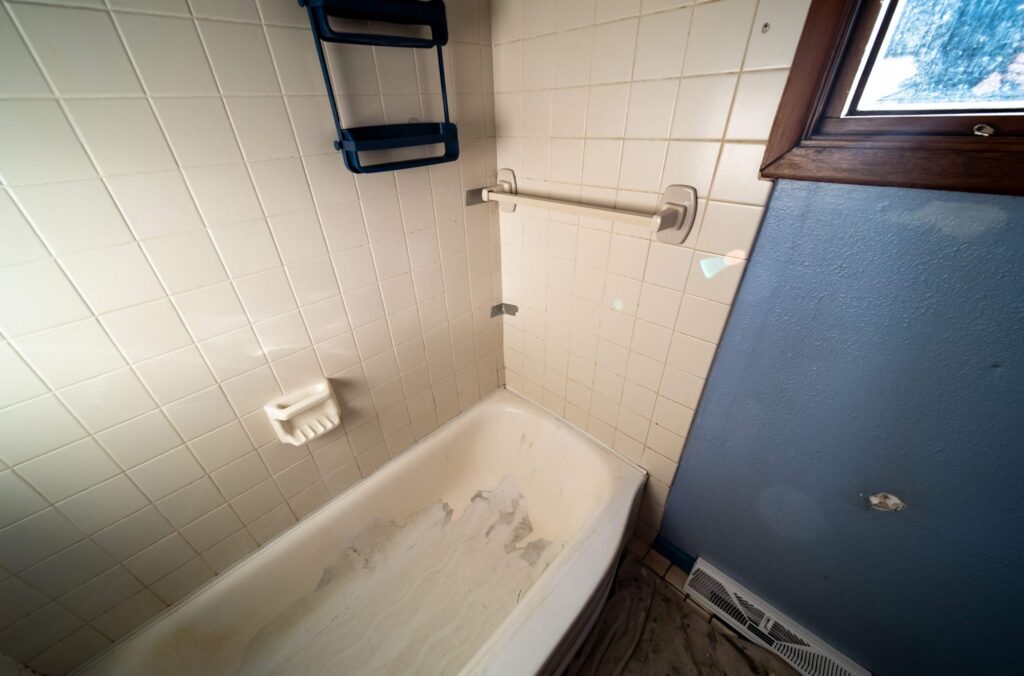
Mold on the surface of a tub is a maintenance issue. Mold that returns to the same spots within days of cleaning is a different problem. It usually means moisture is trapped inside the wall system behind the tub, where a scrub brush can’t reach it. That points to a failure in the tub surround (the walls that enclose the tub area), not just the surface.
Age combined with any of the above
A tub in good condition doesn’t need replacing just because it’s old. But age matters when other problems are present. Fiberglass tubs typically last 10 to 15 years. Acrylic runs longer but still degrades. If your tub is past that range and showing any of the signs above, a repair is unlikely to add meaningful life to it.
How to Check Your Bathtub Before Calling Anyone
You don’t need any tools. A visual inspection and a few physical checks will tell you most of what you need to know.
Run your finger along any crack you can see. A shallow scratch stays at the surface and doesn’t catch your fingernail. A crack with depth will. If it catches, water can too.
Step into the tub and apply your full weight, shifting it toward the center and corners. A sound tub doesn’t move. Any flex or soft give is a structural warning.
Look at the caulk lines where the tub meets the wall. Caulk that’s pulling away, discolored brown or black behind it, or soft to the touch suggests moisture has been getting into that joint. That’s not a caulk problem; that’s a surround problem.
If you’ve had mold show up on the tub surface, clean it and note where it appears. If it comes back within a week in the same spots, moisture is coming from behind the wall, not from the bathroom air.
When You Probably Don’t Need a Full Replacement
Not every bathtub problem calls for replacement. Here are situations where a simpler fix is the right response.
The faucet or drain is leaking
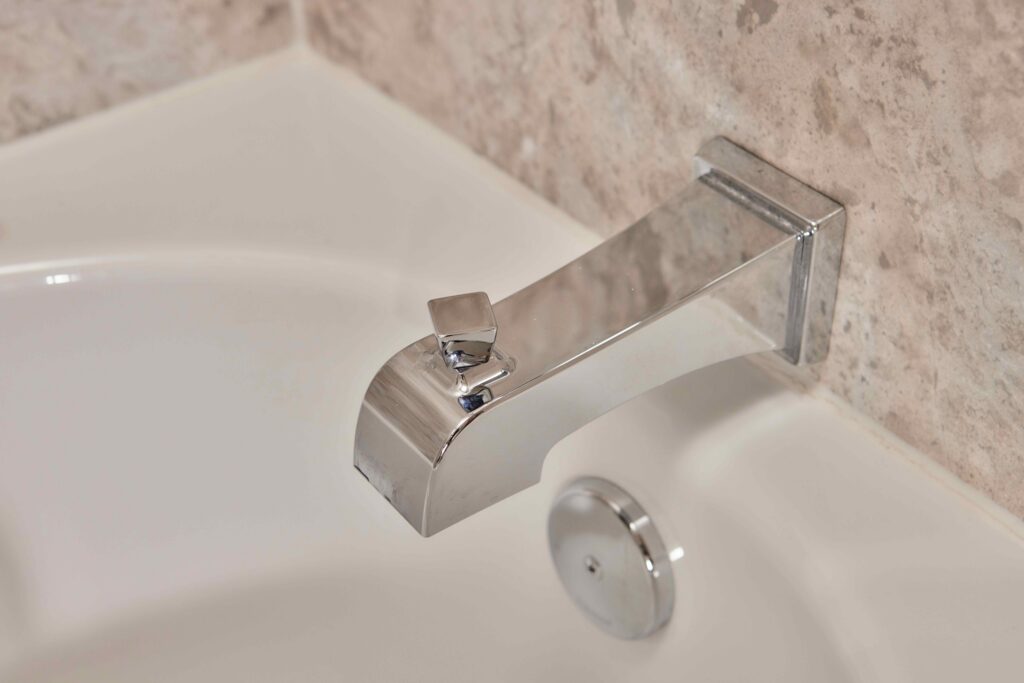
A dripping faucet is a plumbing fixture problem, not a tub problem. The same goes for a slow or leaking drain. Both are repairable without touching the tub itself. Our post on what a leaking tub faucet can mean walks through when that kind of leak signals something bigger and when it doesn’t.
The damage is cosmetic and contained
Small surface scratches and minor chips that haven’t reached the base material can often be addressed with repair kits. This works when the damage is isolated and the tub is otherwise in good condition. It’s worth being honest with yourself about whether a repair is solving the problem or delaying it.
Discoloration on a structurally sound surface
If the tub is solid, has no cracks, and shows no sign of moisture problems, surface discoloration alone may not justify replacement. Surface repair options exist for this situation. They have a limited lifespan, but they’re a reasonable choice when the tub itself is structurally intact.
What Bathtub Replacement Actually Involves
If you’ve worked through the above and replacement looks like the right call, here’s what the process looks like with Mad City Windows & Baths.
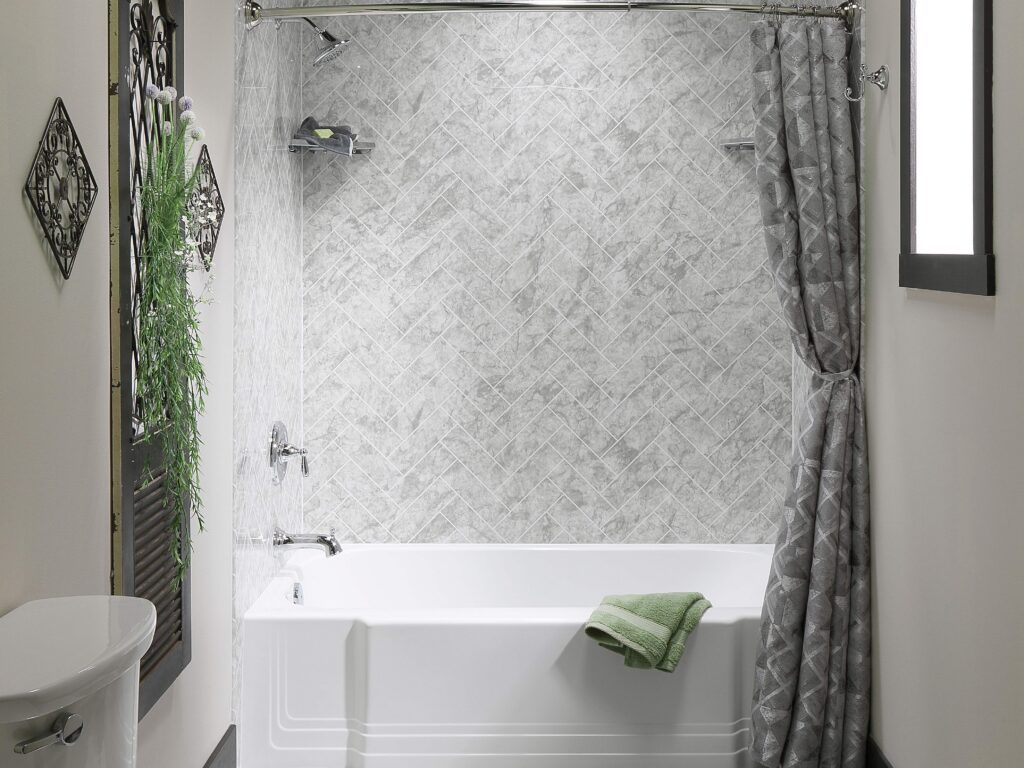
The replacement tubs we install are built to resist the problems that end most tub lifespans: they won’t chip, peel, or crack, and the surface includes antimicrobial protection that keeps it cleaner between uses. Color and finish hold up over time without fading. The tubs are American-made and backed by a limited lifetime warranty.
When Mad City replaces a bathtub, the tub doesn’t come out alone. The wall surround comes with it. The surround is the panel system that lines the walls around the tub. In most older bathrooms, that’s tile over drywall or a fiberglass panel. After years of use, moisture works through grout lines and around the tub’s edge into the wall behind it. By the time a tub needs replacing, the surround has often absorbed that moisture over the same period.
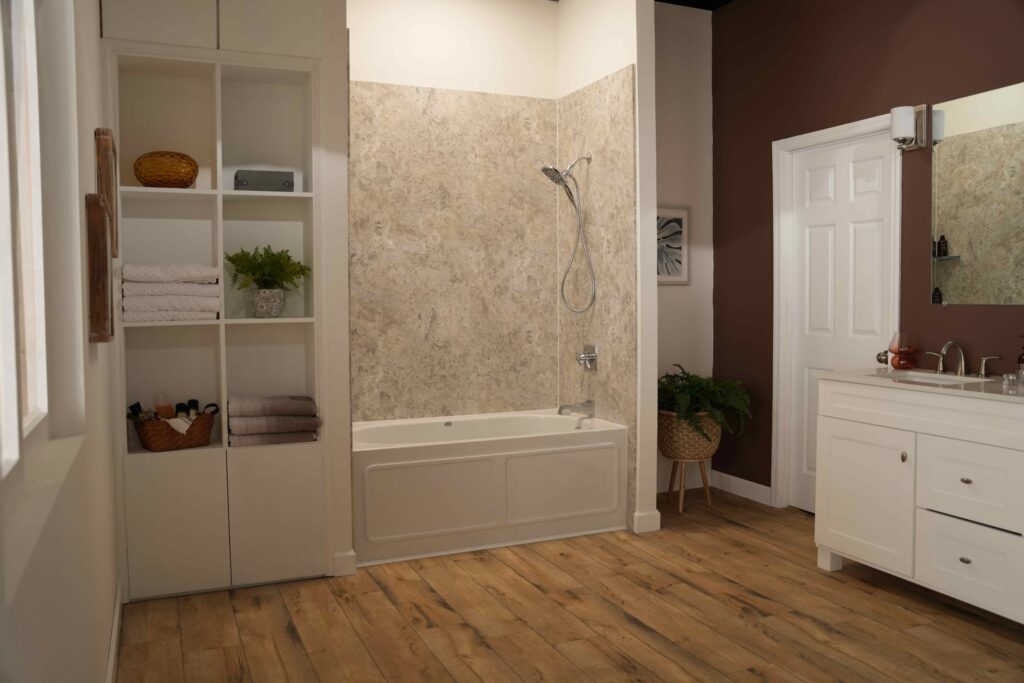
The new installation fits the replacement tub and a matching wall panel system together as a unit. The panels lock into the tub deck, which closes the gap where water typically enters in older tile installations. No grout lines means fewer paths for water to travel. The result is a sealed system rather than a tub sitting against a wall with caulk as the only barrier.
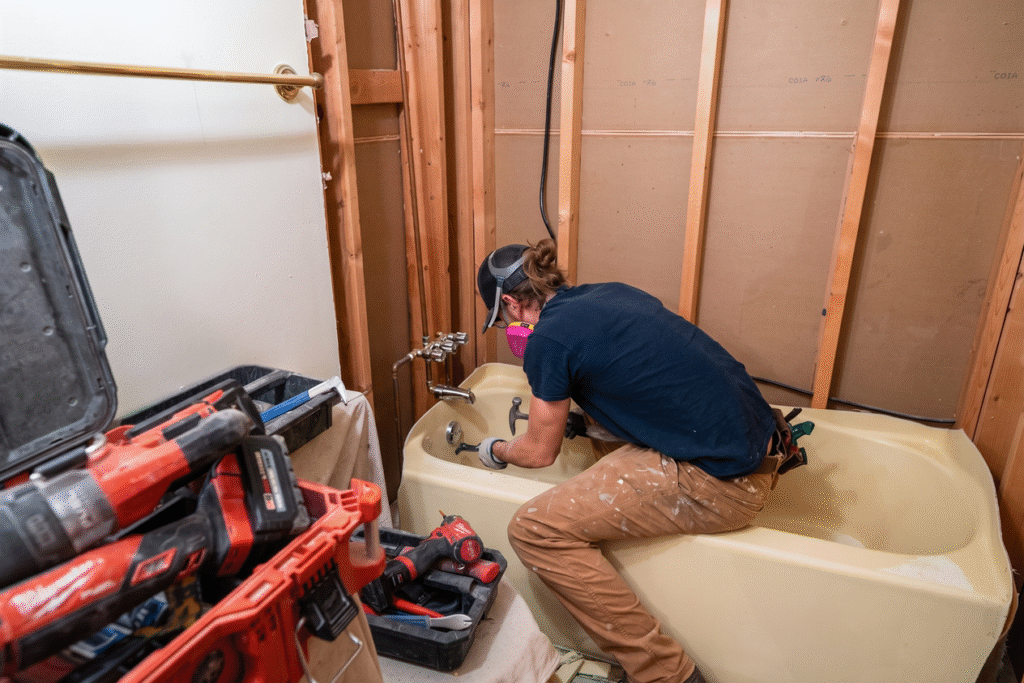
Installation typically completes in a single day. There’s no extended construction window and no prolonged disruption to your bathroom. Our post on one-day bathroom remodeling explains how that’s possible and what to expect on installation day. You choose from available sizes, finishes, and fixture options before the installation date.
What Does Bathtub Replacement Cost?
The cost depends on the size of your tub, the finish and fixtures you select, and the condition of your existing installation. Published price ranges tend to be too broad to be useful, and what you’ll pay depends on specifics that require an actual look at your bathroom.
For a general sense of what bathroom work runs, our bathroom remodel cost guide is a reasonable starting point. The most accurate number comes from a free in-home estimate.
Common Questions About Bathtub Replacements
Will my existing plumbing work with a new tub?
In most cases, yes. Replacement tubs are built to standard drain and supply configurations, so if your existing rough plumbing (the pipes behind the wall) is in working order, it typically stays in place. Mad City’s installation team confirms compatibility during the estimate.
Do I need a permit for a bathtub replacement?
In most jurisdictions, a like-for-like replacement that doesn’t change the location of your drain or supply lines doesn’t require a permit. Relocating plumbing does. The specifics vary by municipality, and Mad City handles that determination as part of the pre-installation process.
How long should a replacement tub last?
The replacement tubs Mad City installs are backed by a limited lifetime warranty. The practical expectation is that they outlast standard fiberglass tubs by a meaningful margin, partly because the construction resists surface breakdown, and partly because the wall system installed alongside it removes the moisture conditions that accelerate tub failure in the first place.
Can I replace just the tub and leave my existing tile walls?
Technically yes, but it’s rarely the right call. If the tub has failed, the surround has been exposed to the same moisture conditions over the same period. Leaving walls that have absorbed moisture puts a new tub in front of an existing problem. During the estimate, Mad City will assess the condition of the surround and give you an honest read on whether it needs to come out.
Ready to Find Out Where You Stand?
If your tub is showing any of the signs above, the next step is a free in-home estimate. A Mad City consultant will look at what you have, tell you what they see, and give you a number.
Visit our bathtub replacement services page for more on what we install and how the process works. If you want to look at the full range of options, bathroom remodeling options from Mad City covers what else is available.